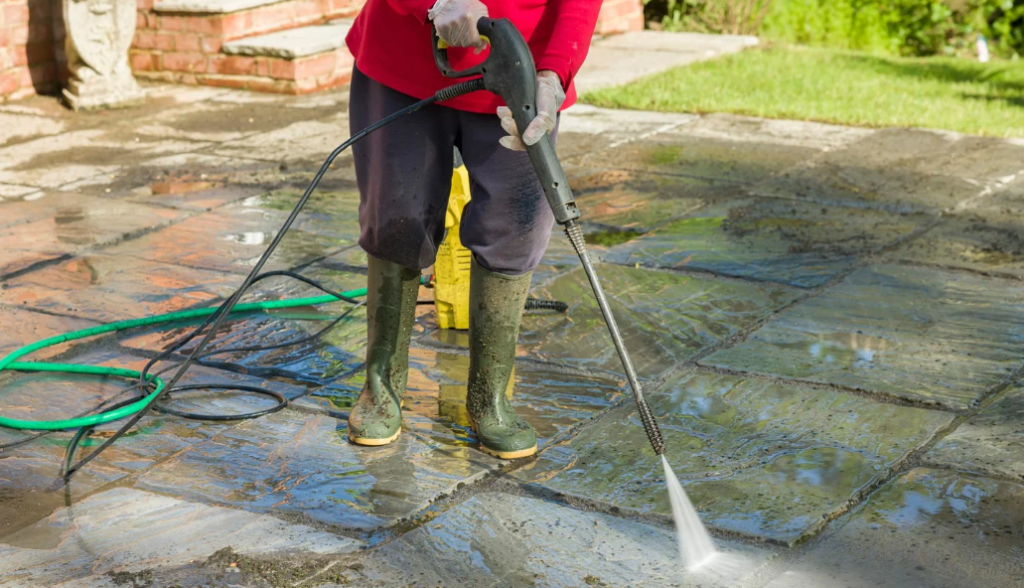
A pressure washer is one of those machines that makes cleaning feel effortless. If you’ve ever watched someone spray a dirty driveway and see it turn spotless within seconds, you’ve seen the magic of water pressure at work. But what exactly happens inside that compact machine, and why is it so powerful? Let’s break it down in a simple way.
Why Am I writing This?
I cracked a pump once. Not on purpose. I was helping a friend swap a vertical-shaft pump on his gas pressure washer. The top housing was split. The unit still ran, but it leaked and made a mess. We pulled it off the frame. We took it apart. We wanted to see what was inside and if fixing it was hard. What we found was simple. Smart. Fixable if you know a few things.
This article walks you through what a pressure washer pump is, what’s inside, how it works, and how to spot the small problems before they turn big. I talk in plain words. I share the small tips I used when I was on that workbench. Read fast or skim. Both will work.
What a Pressure Washer Pump Does in One Line
A pump takes normal water and squeezes it. This creates a fast, thin jet. That jet hits dirt and lifts it away. That’s it. Everything else just helps the pump do that cleanly and safely.
The main parts you will see when you open one. When we opened the cracked housing, the pump looked like a neat little engine. These are the parts you will find:
- Pump housing: This is the shell. It keeps everything together. It also lets the pistons and valves sit in the right place.
- Pistons or plungers: Most small pumps have three pistons. They move up and down. When they move, they pull water in. Then they push water out. This push is what makes pressure.
- Check valves: These are small one-way gates. They let water go out but not come back. When a piston pushes, water goes forward. The valve keeps it from flowing back.
- Unloader valve: This part controls pressure when you close the spray gun. It sends the water back around so the pump keeps moving. Without it, the pump would jam or overheat.
- Downstream chemical injector: This is the soap siphon. It uses flow to make a small vacuum and pull soap into the stream. It’s simple but vital.
- Seals and O-rings: These are small rubber parts. If they fail, the pump leaks. Replace them on any pump older than a few years.
- Thermal relief/bypass: Some pumps have a part that lets hot water out. It protects the pump if you run the gun off for a long time. It’s easy to miss, but it can save the pump.
How the Pump Makes Pressure Step by Step
I like to tell this part like a tiny engine story. It helps:
- Water comes from your garden hose into the pump.
- The pistons move down and pull water in.
- Pistons move up and compress the water.
- The check valve opens and water shoots toward the hose.
- The nozzle focuses that water into a tight, fast jet.
When you let go of the trigger, the unloader valve reroutes the water so the pump can keep moving without blowing the system up.
That back-and-forth is quick. The pump does it many times a second. That speed makes the strong jet.
What I Watched When I Opened the Cracked Housing
We had three pistons. Each one is lined up with a chamber in the housing. There were tiny grooves and slots. Get these wrong when putting the pump back together, and it won’t flow right. The nylon bushings were slotted to fit a certain way. They looked small, but they mattered a lot.
The downstream injector had a little ball and a spring. The ball sits on a tiny seat. When water flow is high, suction pulls the ball down, and it lets detergent in. If the ball sticks, the soap won’t draw. If the ball is corroded, swap it. We found a corroded metal ball and a nylon replacement in the parts bin. Nylon won’t corrode. It will wear more slowly, but it can pit over the years. I keep a spare ball in my toolbox now.
The unloader valve had a spring and an adjustment screw. Turn the jam nut and you change the pressure. I didn’t play with it on that pump. I did clean the parts. Lots of grit had jammed in the passages. A good scrub fixed the sticking parts.
Common small problems and quick fixes
Here is what I think will help you:
- The ball is stuck in the injector: Push a thin, stiff wire down the tube. Free the ball. Rinse with water. Spray a little WD-40 or silicone spray to protect metal. Don’t soak seals.
- No detergent draw: Check the tip first. Use the soap tip. Look for air breaks in the suction hose. Make sure the tube sits in the bucket. If not, the pump can’t pull it.
- Low pressure: Clean the nozzle. Check the hose length. Cheap or kinks cut flow. Check the check valves. If the unloader is stuck open, you won’t get pressure. Take it apart and clean the seat.
- Leaky housing: If the housing cracks, you can buy a replacement shell. Often it comes with the needed bushings. If it does, replace the whole assembly. If a part is missing, reassemble exactly the way you took it apart. Take photos as you go. That helped me avoid any wrong slot alignment.
- Pump overheating: This happens when the gun is off and the unloader doesn’t recirculate. The pump keeps moving the same water, and it gets hot. The thermal relief should dump warm water. If it does not, the pump will run hot. Clean or replace the thermal part.
Parts You Can Buy and What You’d Replace Right Away
- Hre are the parts you can buy and what you need to replace:
The downstream injector kit is cheap and useful. - Unloader valve kit handy if pressure is flaky.
- The check valve kit gets expensive if left too long.
- Nylon balls and springs are very cheap, worth spares.
- A full pump housing assembly is worth buying if the shell is badly cracked.
If you can buy a full assembly pre-built, do it. It saves time and reduces the chance of misplacing bushings or O-rings.
Simple Maintenance Routine (do this after each use)
Do those five steps, and most pumps last a long time:
- Flush the pump with clean water. Run it for a minute.
- Release the pressure by pulling the trigger with the engine off.
- Wipe the pump dry.
- Check hoses and O-rings for cracks. Replace small parts now, not later.
- Store in a dry place. If it’s cold, use pump antifreeze.
Safety Notes Short and Sharp.
If your hose was bought at a discount store and feels cheap, replace it. Bad hoses cause back pressure and can ruin the pump. Also check those:
- Wear eye protection.
- Wear gloves.
- Never aim the nozzle at people or animals.
- Start with a wide nozzle and stand back.
- Use proper hoses and rated fittings.
Quick words on PSI and GPM
PSI is how hard the water hits. GPM is how much water flows. Both make cleaning power. Together, they tell you how fast the washer cleans. For most home jobs, 1500–2500 PSI works fine. Your pump label should list both PSI and GPM. Check the label before you buy parts.
Final Notes From the Bench
Taking apart that cracked pump felt like a small lesson. The design is clever. The parts are simple. Most of the time, a little cleaning and a few replacement bits get the pump working like new. If the housing itself is cracked, a new shell or full assembly is often the cheapest and easiest fix.
If you’re handy and patient, you can fix a pump at home. If you are not sure about the slots, the grooves, or the alignment, take pictures as you disassemble. Lay parts out in order. That keeps you from guessing when you reassemble.
Fixing one pump taught me more than watching a video. It taught me the feel of the parts, the sound of a good unloader, and how small bits like a nylon ball can make or break detergent flow. I keep the spare parts now. It saves a call to the shop and a weekend of waiting.
Quick FAQ
Q: Can I replace just the top housing?
A: Yes, many pumps sell the housing solo. If it comes with bushings and seals, swap the whole top. If it doesn’t, be careful to note slot alignment when reassembling.
Q: Why won’t my pump draw soap?
A: Check the injector ball, the soap tip, and the suction hose. Make sure the hose is under the detergent surface and free of kinks.
Q: How do I know if the unloader valve is bad?
A: If the machine never builds pressure but the motor runs, the unloader may be stuck open. Remove and clean it or replace the kit.
Q: Is a metal ball better than nylon?
A: Metal resists wear but corrodes with bleach. Nylon won’t corrode but may pit over the years. Keep spares of both if you mix chemicals.